menu
{ "item_title" : "Re-Engineering of the Damaged Brain and Spinal Cord", "item_author" : [" Klaus R. H. Wild", "G. a. Brunelli "], "item_description" : "Re-EngineeringoftheDamagedBrainandSpinalCord isdedicatedtoTetsuoKanno, M. D. ProfessorofNeurosurgery Bypresenting theoriginal papers thatmakeupthis thefeaturesofthelocalmedicallandscapeinthe- third supplement we wish to make a further contri- gionswheretheyareenacted. Whatismore, progr- bution to the issue of functional rehabilitation, this sivenew?ndingsmustbealsosubjectedtoafrequent soimportantandfascinatingmodernareaofresearch revision. Ontopofthis, itshouldnotbeforgottenthat inthe?eldofneurosciences. Thecongresspaperswe even when committal therapy guidelines are c- haveselectedconstituteagoodre?ectionofthetrans- sistentlyapplied, thereareconsiderablevariationsin disciplinary objectives. The literature references are therangeofpotentialcomplicationsandintheo- designedasaguidetoleadtheinterestedreadertoa comeofprospectivecontrolledmulti-centreandmul- deeperandmoredetailedunderstandingoftheindi- nationalstudiesontheissueofqualitymanagement. vidualissues. Functionalrehabilitationhasbeenanoriginaltask The demand for ''evidence-based medicine'' is well ofneurosurgeryfromtheveryoutset. The1990shave justi?ed; however, it rapidly comes up against the enteredtheannalsofbrainresearchasthe''Decadeof limitsoffeasibility, especiallywherecontrolledthe- theBrain''. Sincethentherehasbeenaneverstronger peuticstudiesareconcerned. TheCochrancollection growthofneuroscienti?cinterestworldwide, accom- of high-quality evidence-based healthcare databases paniedbysubstantial?nancialengagement. Thishas hasthusfarbeenofnohelptousindrawingupthe- primarily resulted in advances in basic neuro- peutic recommendations for the re-engineering of biologicalandneurophysiologicalresearchandalsoin brain and spinal-cord lesions. Today as ever, the thegrowthofneuroscienti?cknowledgeaboutbasic opinion of experts and empirically based medical mechanismsformotor control, paincontrol, aware- treatment and posttraumatic neurorehabilitation ness, cognition, learning and memory. The conse- continuetooccupyanindispensablepositionforthe quencemustbetoensurethattheadvancesmadeinthe everydayclinicalpracticeofneurosurgicalandneu- neuroscienti?cresearchareaareadequatelyexpanded traumatological therapies. Promising adjunct - intopracticalneurosurgicalcareandre-engineeringof proachesincludeneuropharmacology, forcascadesof brainandspinalcordlesionsandtoensureuponnew molecular interactions are known to be underlying approaches. Following this a fundamental path will activity-dependent plasticity and skills learning, as resultinanimprovedandmoree0/00cientpreventionin many of these processes involve the major tra- thefuture, themeasuresthatstandrightatthefore- mitters. Furthermore, biologicalinterventionsby- front of all rehabilitation principles, meaning that ingendogenousneuronsandgliaaswellasexogenous conventionalconceptsmustbemodi?edtokeeppace stemcells, bone-marrowcells, macrophages, andother withthemoretask-speci?c, intensive, andprogressive types may promote the regeneration of nerve cells, demands. In this connection a series of guidelines, tissue, and neural circuitry. Class one studies have recommendations, and expert opinions and also beenmade, andnowclasstwostudieshavebeeni- algorithms have been elaborated by national and tiated, for example in connection with acute spinal international expert panels and multidisciplinary as- cord injury (SCI). The clinical application of fu- sociationsfortheacutemedicalcareofpatients.", "item_img_path" : "https://covers2.booksamillion.com/covers/bam/3/21/124/150/3211241507_b.jpg", "price_data" : { "retail_price" : "219.99", "online_price" : "219.99", "our_price" : "219.99", "club_price" : "219.99", "savings_pct" : "0", "savings_amt" : "0.00", "club_savings_pct" : "0", "club_savings_amt" : "0.00", "discount_pct" : "10", "store_price" : "" } }
Re-Engineering of the Damaged Brain and Spinal Cord|Klaus R. H. Wild

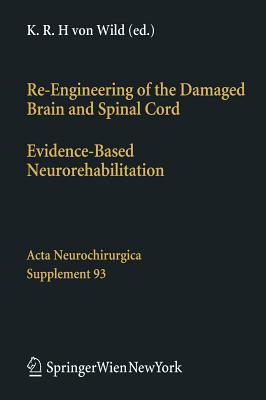
Re-Engineering of the Damaged Brain and Spinal Cord : Evidence-Based Neurorehabilitation

local_shippingShip to Me
In Stock.
FREE Shipping for Club Members help

Overview

Re-EngineeringoftheDamagedBrainandSpinalCord isdedicatedtoTetsuoKanno, M. D. ProfessorofNeurosurgery Bypresenting theoriginal papers thatmakeupthis thefeaturesofthelocalmedicallandscapeinthe- third supplement we wish to make a further contri- gionswheretheyareenacted. Whatismore, progr- bution to the issue of functional rehabilitation, this sivenew?ndingsmustbealsosubjectedtoafrequent soimportantandfascinatingmodernareaofresearch revision. Ontopofthis, itshouldnotbeforgottenthat inthe?eldofneurosciences. Thecongresspaperswe even when committal therapy guidelines are c- haveselectedconstituteagoodre?ectionofthetrans- sistentlyapplied, thereareconsiderablevariationsin disciplinary objectives. The literature references are therangeofpotentialcomplicationsandintheo- designedasaguidetoleadtheinterestedreadertoa comeofprospectivecontrolledmulti-centreandmul- deeperandmoredetailedunderstandingoftheindi- nationalstudiesontheissueofqualitymanagement. vidualissues. Functionalrehabilitationhasbeenanoriginaltask The demand for ''evidence-based medicine'' is well ofneurosurgeryfromtheveryoutset. The1990shave justi?ed; however, it rapidly comes up against the enteredtheannalsofbrainresearchasthe''Decadeof limitsoffeasibility, especiallywherecontrolledthe- theBrain''. Sincethentherehasbeenaneverstronger peuticstudiesareconcerned. TheCochrancollection growthofneuroscienti?cinterestworldwide, accom- of high-quality evidence-based healthcare databases paniedbysubstantial?nancialengagement. Thishas hasthusfarbeenofnohelptousindrawingupthe- primarily resulted in advances in basic neuro- peutic recommendations for the re-engineering of biologicalandneurophysiologicalresearchandalsoin brain and spinal-cord lesions. Today as ever, the thegrowthofneuroscienti?cknowledgeaboutbasic opinion of experts and empirically based medical mechanismsformotor control, paincontrol, aware- treatment and posttraumatic neurorehabilitation ness, cognition, learning and memory. The conse- continuetooccupyanindispensablepositionforthe quencemustbetoensurethattheadvancesmadeinthe everydayclinicalpracticeofneurosurgicalandneu- neuroscienti?cresearchareaareadequatelyexpanded traumatological therapies. Promising adjunct - intopracticalneurosurgicalcareandre-engineeringof proachesincludeneuropharmacology, forcascadesof brainandspinalcordlesionsandtoensureuponnew molecular interactions are known to be underlying approaches. Following this a fundamental path will activity-dependent plasticity and skills learning, as resultinanimprovedandmoree0/00cientpreventionin many of these processes involve the major tra- thefuture, themeasuresthatstandrightatthefore- mitters. Furthermore, biologicalinterventionsby- front of all rehabilitation principles, meaning that ingendogenousneuronsandgliaaswellasexogenous conventionalconceptsmustbemodi?edtokeeppace stemcells, bone-marrowcells, macrophages, andother withthemoretask-speci?c, intensive, andprogressive types may promote the regeneration of nerve cells, demands. In this connection a series of guidelines, tissue, and neural circuitry. Class one studies have recommendations, and expert opinions and also beenmade, andnowclasstwostudieshavebeeni- algorithms have been elaborated by national and tiated, for example in connection with acute spinal international expert panels and multidisciplinary as- cord injury (SCI). The clinical application of fu- sociationsfortheacutemedicalcareofpatients.

This item is Non-Returnable

Details

  • ISBN-13: 9783211241509
  • ISBN-10: 3211241507
  • Publisher: Springer
  • Publish Date: April 2005
  • Dimensions: 11 x 8.4 x 0.6 inches
  • Shipping Weight: 2 pounds
  • Page Count: 240

Related Categories

You May Also Like...

    1

BAM Customer Reviews