 Ask Bookie
{
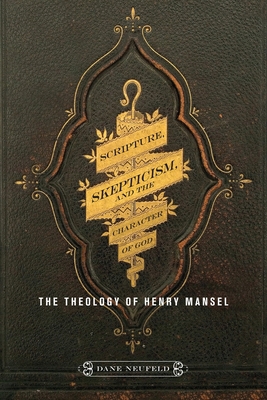
"item_title" : "Scripture, Skepticism, and the Character of God",
"item_author" : [" Dane Neufeld "],
"item_description" : "During a period of great religious upheaval, Anglican philosopher and ecclesiastic Henry Longueville Mansel (1820-1871) became famous for his 1858 Bampton Lectures, which sought to defend traditional faith by employing a skeptical philosophy. Understanding Mansel and the passionate debate that surrounded his career provides insight into the current struggle for ancient religions to articulate their traditions in a modern world. In Scripture, Skepticism, and the Character of God Dane Neufeld explores the life and thought of the now forgotten nineteenth-century theologian.Examining the ideological differences between this philosopher and his contemporaries, Neufeld makes a case for the coherence of Mansel's position and traces the vestiges of his thought through the generations that followed him. Mansel found himself at the centre of an explosive debate concerning the Christian scriptures and the moral character of the God they described. Though the rise of science is often credited with provoking a crisis of doubt, shifting ideas about humanity and God were just as central to the spiritual unrest of the nineteenth century. Mansel's central argument, that the entire Bible must be read as a unified witness to the reality of God, provoked disagreement among theologians, churchmen, and free thinkers alike who were uncomfortable with certain aspects of the scriptural portrayal of God's activity and character. Mansel's attempt to reconcile theological skepticism with scripturalism was misunderstood. He was branded a hopeless fideist by the free thinkers and a dangerous skeptic by high, broad, and evangelical churchmen alike. Many of the controversies in contemporary Christianity concern the collision between modern morality and biblical renderings of God. Neufeld argues that Henry Mansel, while a deeply polarizing figure, brought clarity and precision to this debate by exposing what was at stake for Christian belief and biblical interpretation in the Victorian period.",
"item_img_path" : "https://covers2.booksamillion.com/covers/bam/0/77/355/750/0773557504_b.jpg",
"price_data" : {
"retail_price" : "125.00", "online_price" : "125.00", "our_price" : "125.00", "club_price" : "125.00", "savings_pct" : "0", "savings_amt" : "0.00", "club_savings_pct" : "0", "club_savings_amt" : "0.00", "discount_pct" : "10", "store_price" : ""
}
}

Overview
During a period of great religious upheaval, Anglican philosopher and ecclesiastic Henry Longueville Mansel (1820-1871) became famous for his 1858 Bampton Lectures, which sought to defend traditional faith by employing a skeptical philosophy. Understanding Mansel and the passionate debate that surrounded his career provides insight into the current struggle for ancient religions to articulate their traditions in a modern world. In Scripture, Skepticism, and the Character of God Dane Neufeld explores the life and thought of the now forgotten nineteenth-century theologian.
Examining the ideological differences between this philosopher and his contemporaries, Neufeld makes a case for the coherence of Mansel's position and traces the vestiges of his thought through the generations that followed him. Mansel found himself at the centre of an explosive debate concerning the Christian scriptures and the moral character of the God they described. Though the rise of science is often credited with provoking a crisis of doubt, shifting ideas about humanity and God were just as central to the spiritual unrest of the nineteenth century. Mansel's central argument, that the entire Bible must be read as a unified witness to the reality of God, provoked disagreement among theologians, churchmen, and free thinkers alike who were uncomfortable with certain aspects of the scriptural portrayal of God's activity and character. Mansel's attempt to reconcile theological skepticism with scripturalism was misunderstood. He was branded a hopeless fideist by the free thinkers and a dangerous skeptic by high, broad, and evangelical churchmen alike. Many of the controversies in contemporary Christianity concern the collision between modern morality and biblical renderings of God. Neufeld argues that Henry Mansel, while a deeply polarizing figure, brought clarity and precision to this debate by exposing what was at stake for Christian belief and biblical interpretation in the Victorian period.This item is Non-Returnable
Customers Also Bought
- 1


Details
- ISBN-13: 9780773557505
- ISBN-10: 0773557504
- Publisher: McGill-Queen's University Press
- Publish Date: July 2019
- Dimensions: 9.1 x 6.4 x 1.1 inches
- Shipping Weight: 1.3 pounds
- Page Count: 312
Related Categories
You May Also Like...
- 1



